
Exercise Guidelines
- You should start your exercise gently and then gradually elevate the time duration and intensity of your exercise as it will get easier with time
You should practice exercise 20 minutes three times a week rather than 60 minutes once a week
You should not overdo the exercise as it can be painful or make you ill or overly tired afterward
Improvement of general physical skills
Physical exercise is used to improve physical skills. Followings are the physical skills that can be improved by doing physical exercise -
1. Cardiovascular/respiratory endurance
2. Stamina
3. Strength
4. Flexibility
5. Power
6. Speed
7. Coordination
8. Agility
9. Balance
10. Accuracy
Types of exercise
Depending on the effects of exercise on the human body, generally physical exercises are of three types -
- Flexibility exercises, for example, stretching, which improves the range of motion of joints and muscles
- Aerobic exercises, like example cycling, walking, swimming, skipping rope, running, rowing, playing tennis, or hiking, these exercises focus on elevating cardiovascular endurance.
- Anaerobic exercises, like for example weight training, eccentric training, functional training, and sprinting, elevates your short-term muscle strength.

Benefits of Exercise
Physical Benefits
- Improves body shape, including muscle tone and posture
- Strengthens bones and muscles
- Increases life expectancy by reducing the chances of illness
- Improves endurance, flexibility, and overall fitness
Helps prevent diseases
Physical exercise lowers the risk of cancer, heart disease, diabetes, high blood pressure, and other diseases.
Improves stamina
Exercise elevates your stamina by increasing your lung capacity so that your body does not easily get tired in moderate exercise. It makes you feel more agile while doing anything.
Enhances Flexibility
Doing physical exercise improves your flexibility this, in turn, reduces chances of injury and also increases coordination and balance.
Controls weight
The main key for controlling weight is physical exercise as it burns lots of calories. Proper diet and exercise can give you good results in reducing body weight but one thing you should always keep in mind that exercising and eating high caloric food will not give satisfying results. So, it is better that you take a proper diet (You should only take adequate amounts of carbohydrates and fat, and should not exceed the adequate levels) and exercise accordingly.
Improves quality of life
Exercise lifts moods, reduces stress, and helps you sleep better. Doing regular exercise makes you feel and look younger throughout your entire life. Doing exercise reduces stress and anxiety and that in turn improves the quality of life.
Reduce Your Risk of Cardiovascular Diseases
Heart disease and stroke are two of the leading causes of death but following medical guidelines and getting at least 1 hours or 30 minutes per day of moderate-intensity aerobic exercise can lower risk of cardiovascular diseases.
Doing regular physical exercise can also reduce your blood pressure and improve your cholesterol profile. It increases your HDL level and reduces LDL level.
Reduce Risk of Diabetes
Exercise can reduce the glucose in your blood. Muscle can use glucose without insulin while you are doing exercising. Extra glucose that is present in the bloodstream can be utilized by the muscles if you do exercise.
Mental benefits
- Helps you to deal with stress and anxiety
- Improves self-confidence
- Increases motivation
- It keeps your mind busy in good things as it gives a particular aim, a challenge
- Can improve the motor responses

Social benefits
- Helps you meet new people and make friends
- Improves your teamwork and co-operation
- Increases self-esteem
- Enhances social cohesion
Improves brain function
- Increases memory capacity
- Decrease the risk of developing Alzheimer’s disease
- Reduces the chance of having a stroke (Brain)
- Ability to plan and solve problems increases
Reduces stress and anxiety
- Workout is a great way to relieve the pressure of life
- Doing physical exercise stimulates the release of various brain chemicals, these chemicals makes you feel happier, relaxed and also reducces stresse by increasing norepinephire concentrations (norepinephire has the ability to reduce stress)
- Some moderate-to-high intensity aerobic exercises can also reduce anxiety sensitivity
BEFORE YOU GET STARTED ASK YOUR DOCTOR THESE QUESTIONS?
- How much exercise can I do each day?
- How often can I exercise every week?
- What type of activity should I do and what should I avoid?
- Should I measure my pulse rate while I exercise? What pulse rate should I aim for?
- Are there any warning signs that I should watch out for?
Common misconceptions
Ø That weightlifting makes you short or stops growth. One danger is doing heavyweight training during adolescent age (ages 11–16) can stunt joints and also can damage the long bones.
Ø One misconception is that muscle tissue will turn into fat tissue once a person stops exercising.
Ø We thought that more exercise decreases the body fat & helps to get a satisfying body size but without a proper nutritional diet, it is not possible.
Ø It is not necessary to do hard exercise or gym to make the body fit, just some freehand and isolation movements can improve health quality.
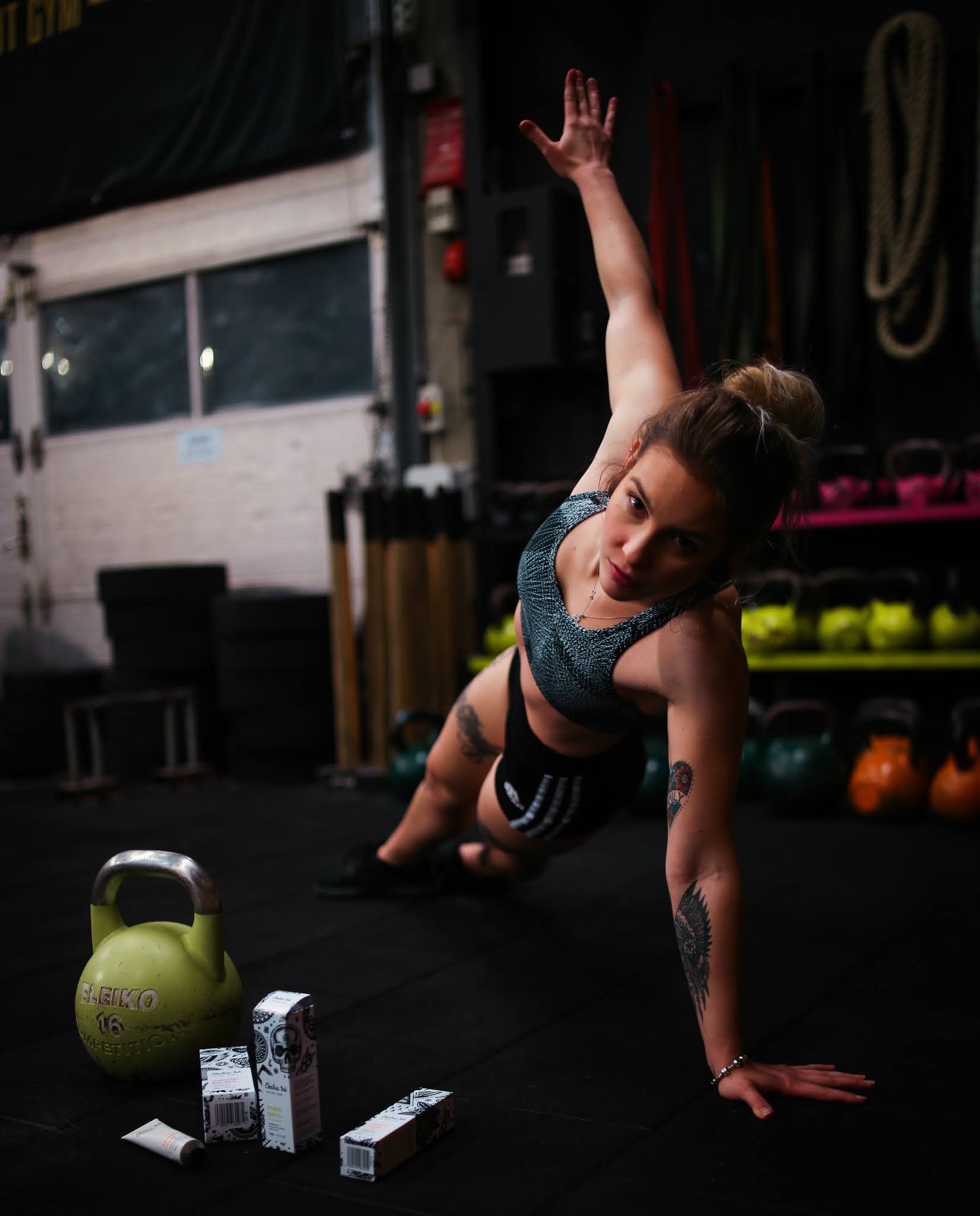 |
Fig: Exercising |
Nice information 😄
ReplyDeleteIt was very helpful.. thank you.
ReplyDeleteI would like to know more about these kind of topics
ReplyDelete